
Silence sits differently inside a fight stadium. Before the first heavy exchange, before the crowd rises, there is a stretch of controlled movement that can puzzle newcomers. Watching Muay Thai live means witnessing a contest that begins well before force is applied. The pacing is intentional. The early minutes are not delay; they are groundwork.
The fighters enter the ring carrying more than physical preparation. Their composure is tested from the first step through the ropes. Posture, eye contact, and measured footwork all serve as quiet statements. Nothing is rushed because nothing needs to be.
Reading What Is Not Obvious
To someone unfamiliar with the sport, the opening exchanges can appear cautious. In reality, they are deeply evaluative. Each fighter gauges timing, reaction speed, and balance. A slight feint can reveal defensive habits. A controlled retreat can invite overcommitment.
These early interactions establish hierarchy. Confidence is displayed through stillness as much as aggression. The ability to remain calm under scrutiny shapes how the bout develops. When you understand this, the fight stops being about isolated strikes and becomes about accumulated decisions.
Ritual As Competitive Preparation
The pre-fight movements are not ornamental. They regulate breathing, sharpen concentration, and ground the athlete in repetition. Familiar patterns reduce distraction. In an environment charged with noise and expectation, that familiarity matters.
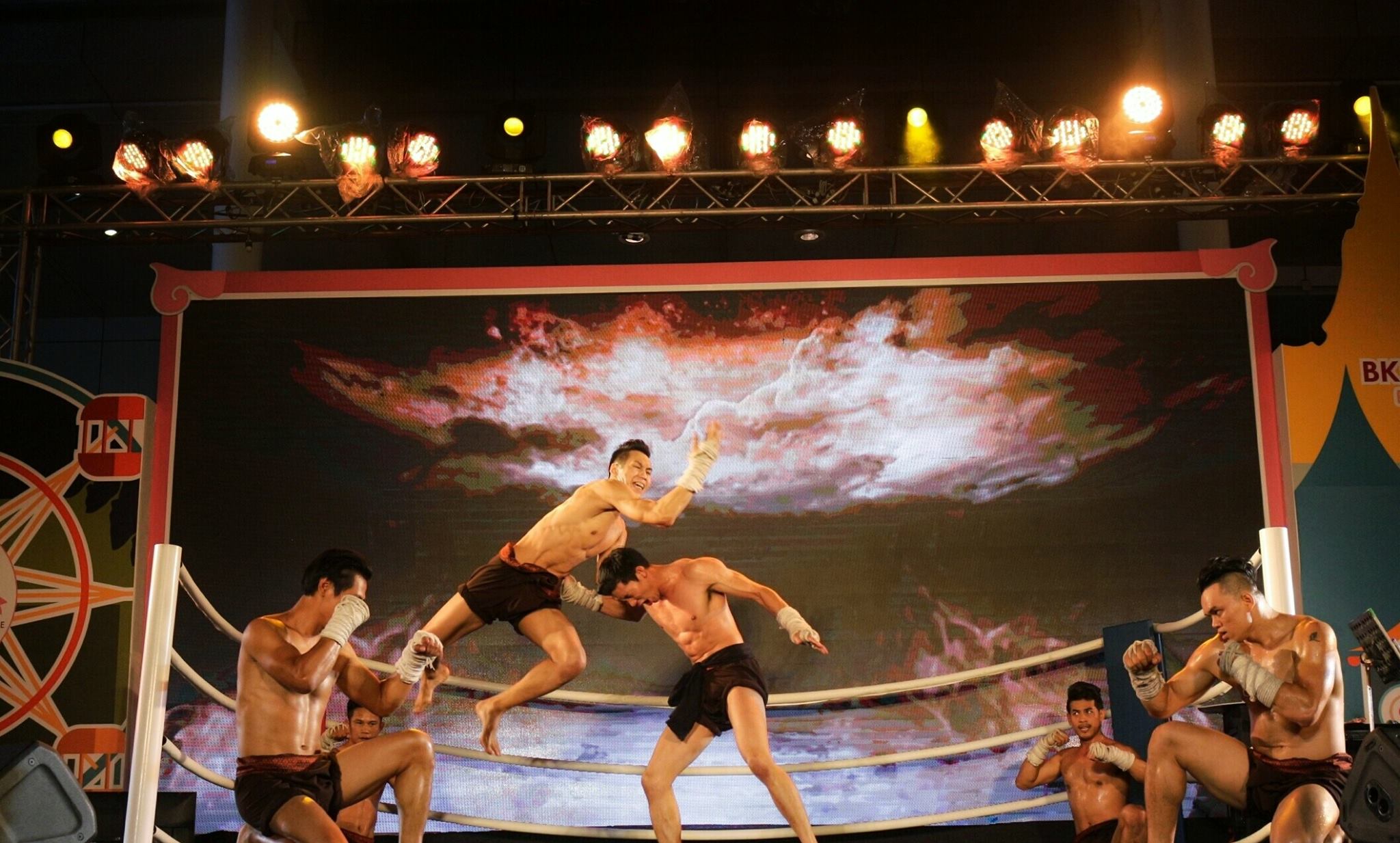
There is also a cultural weight to these moments. Respect for teachers and lineage is acknowledged through deliberate gestures. This is not performance for the crowd; it is alignment for the fighter. The audience may observe it, but the purpose lies within the ring.
Atmosphere Changes Perception
Being present in the arena shifts how these details are felt. The rhythm of music, the collective attention of spectators, and the controlled tempo create pressure without chaos. You sense anticipation building through restraint rather than spectacle.
That shared awareness heightens even small changes. A sharper step forward, a quicker counter, a shift in breathing can draw a reaction because everyone is watching closely. The space between exchanges becomes charged rather than empty.
By the time the bout reaches full intensity, much of the psychological work has already been done. The outcome is influenced not only by strength or speed but by who established control first, who dictated rhythm, and who held composure longest. Understanding the ritual does not slow the experience. It deepens it, revealing a contest shaped as much by presence as by power.