Electrical stability remains a significant challenge for businesses and households across Thailand. While the nation’s infrastructure has improved drastically over the last few decades, fluctuating weather patterns and heavy storms during the monsoon season frequently lead to sudden blackouts or voltage spikes. For anyone relying on sensitive electronics, from small home offices in Chiang Mai to large data centres in Bangkok, these interruptions are more than just an inconvenience; they are a threat to hardware and data integrity.
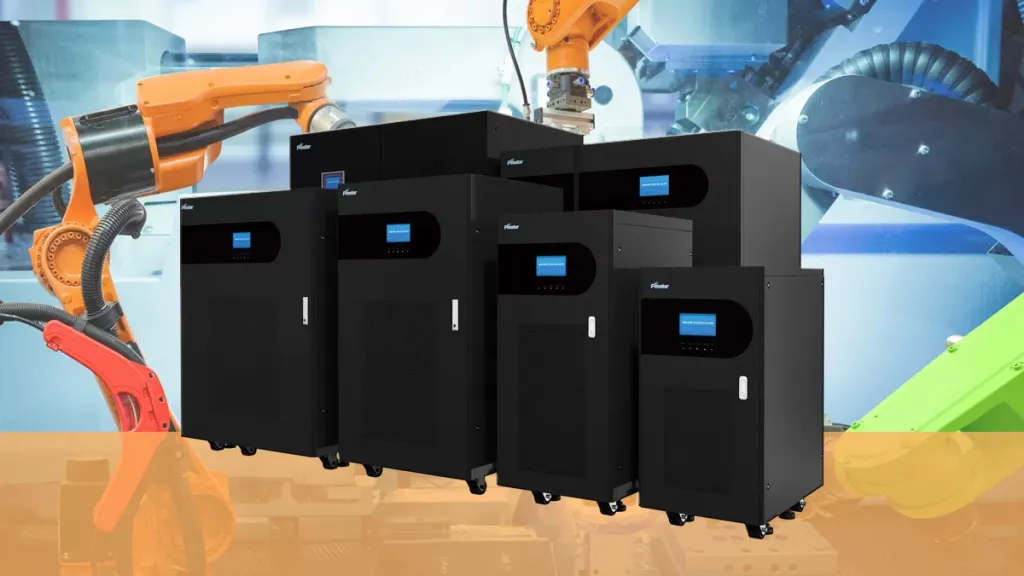
An Uninterruptible Power Supply (UPS) acts as an essential bridge between the main grid and your electronic devices. When the electricity cuts out, the UPS instantly switches to its internal battery, providing enough time to save work and shut down systems safely. Beyond just keeping the lights on, a high-quality ups power supply also conditions the voltage, smoothing out surges and sags that can silently damage circuit boards over time. This protection is vital in regions where power quality varies, ensuring equipment lasts longer and performs reliably.
Investing in robust power protection is not optional for modern operations. Data loss resulting from an abrupt shutdown can cripple a business, leading to hours of downtime and potential revenue loss. In Thailand’s digital economy, where connectivity is expected 24/7, maintaining uptime is a priority. A UPS system ensures that modems, routers, and servers stay online during brief outages, keeping communication channels open when they are needed most.
Protecting Against Thailand’s Unique Weather Challenges
The tropical climate in Southeast Asia presents specific risks to electrical grids. Lightning strikes are common during the rainy season, sending dangerous surges through power lines. Without adequate protection, these surges can bypass standard surge protectors and fry delicate components in computers, medical equipment, and security systems.
A UPS offers a robust line of defence. By regulating the incoming power, it ensures that only clean, stable electricity reaches your connected devices. This function is particularly important for industrial sectors in the Eastern Economic Corridor, where precision machinery requires constant voltage to operate correctly. A momentary dip in power could reset automated systems, causing production delays and material waste.
Continuity for Small Businesses and Remote Workers
The shift towards remote work and digital entrepreneurship in Thailand has made power reliability a personal responsibility. Unlike in a corporate office building with industrial-grade generators, home setups are often vulnerable. A freelancer in Phuket or a digital nomad in a co-working space relies entirely on their immediate power source.
A compact UPS unit provides peace of mind. It allows internet connections to remain active during short interruptions, which is crucial for video calls or cloud-based tasks. Even a few minutes of battery backup can make the difference between a successfully delivered project and a corrupted file.
Assessing Your Power Needs
Selecting the right backup solution requires understanding the total load of your equipment. It is important to calculate the wattage of all devices you intend to connect. A basic setup for a computer and router requires less capacity than a server room or a medical facility.
Additionally, consider the runtime you need. Some users only require five minutes to initiate a safe shutdown, while others may need an hour or more to ride out a storm. Understanding these requirements ensures that you choose a system capable of handling the specific demands of your environment, securing your digital assets against the unpredictable nature of the power grid.